Six Moments That Changed Everything
2012: The Intern Who Became an Analyst (0-month gap)
The Setup: I officially started as an Analyst at JPMorgan right after RoboCup 2012 concluded in Mexico City. My job: help build foundations for Private Banking to support Mexico’s local operations.
Meanwhile, I was helping shape the Rescue league as Technical Committee Chair — and we were getting creative.
We added a “Superteam” challenge in Brazil where one robot had to traverse sand simulating a beach. Sounds fun, right? Problem: sand and servo motors don’t mix. Some mentors wanted to fire me. But the kids? They loved it. They figured out solutions. They competed successfully.
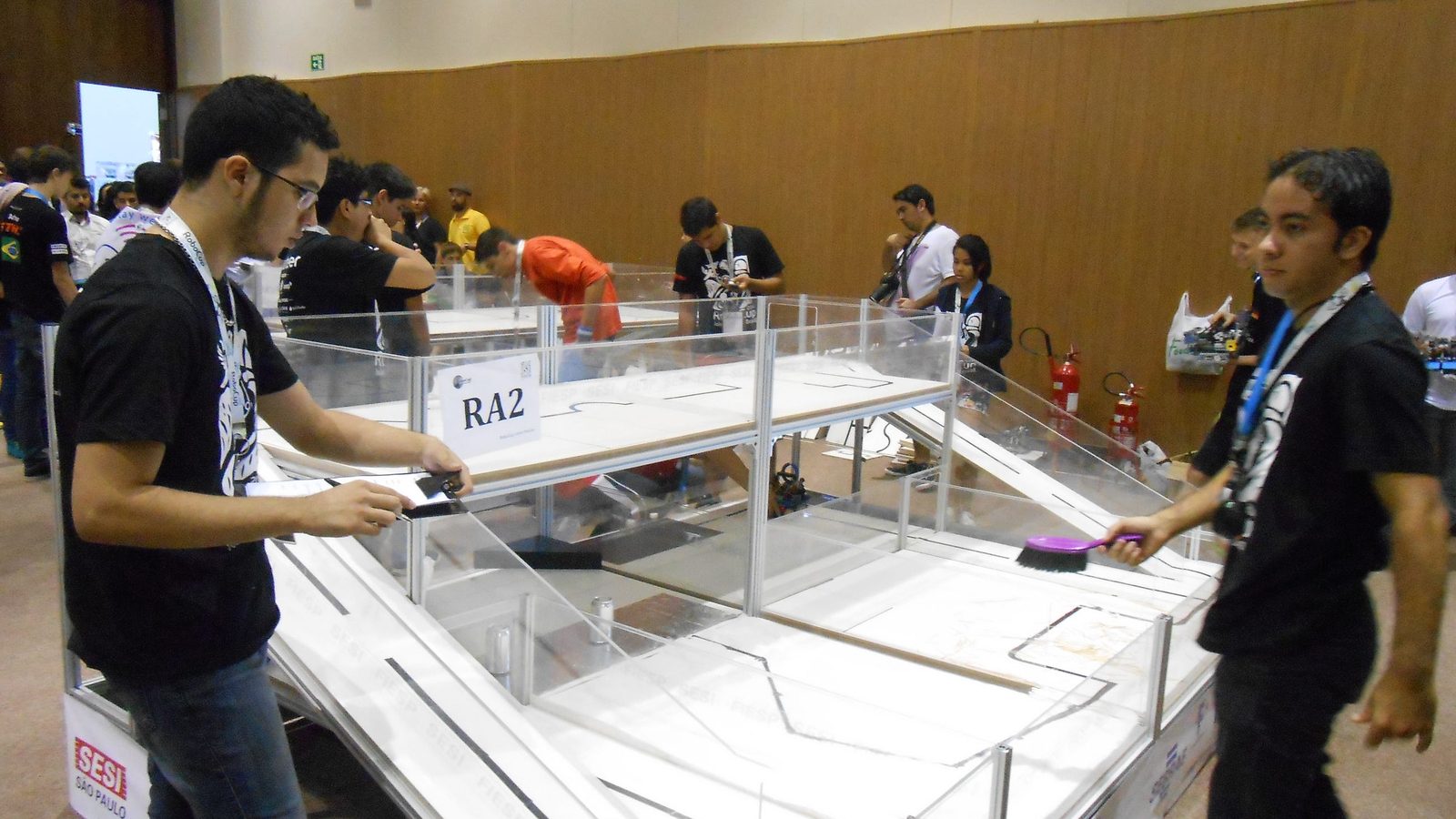
What I learned: Constraints spark creativity. At JPMorgan, when we had budget limitations or legacy systems, I thought differently. I didn’t wait for perfect conditions — I worked with what we had. The kids taught me that.
Why it mattered: The energy from doing something genuinely innovative (even if “innovative” meant sand robots) carried over. I showed up at JPMorgan more engaged because I was solving real problems at RoboCup. And I brought that problem-solving mindset to the platform work.
2016: The General Chair Who Led Without Authority (5-month gap)
The Setup: Five months after being promoted to Associate Software Engineer, I was appointed General Chair of RoboCupJunior. That meant coordinating the international event — operations, logistics, committee alignment.
Here’s the thing most people don’t understand about volunteering: you have zero authority. The people you’re coordinating have full-time jobs. They’re doing this because they care. You can’t demand. You can only inspire.
Meanwhile, I was coordinating across time zones from the US to Japan. Technical committees needed to agree on rules while adapting them to current educational environments. We worked asynchronously, debating challenge design through forums and documents.
The breakthrough came when we realized we were scattered. So we built the RoboCupJunior Forum — a safe space where students, mentors, parents, and committee members could collaborate, ask questions, and build a real community.
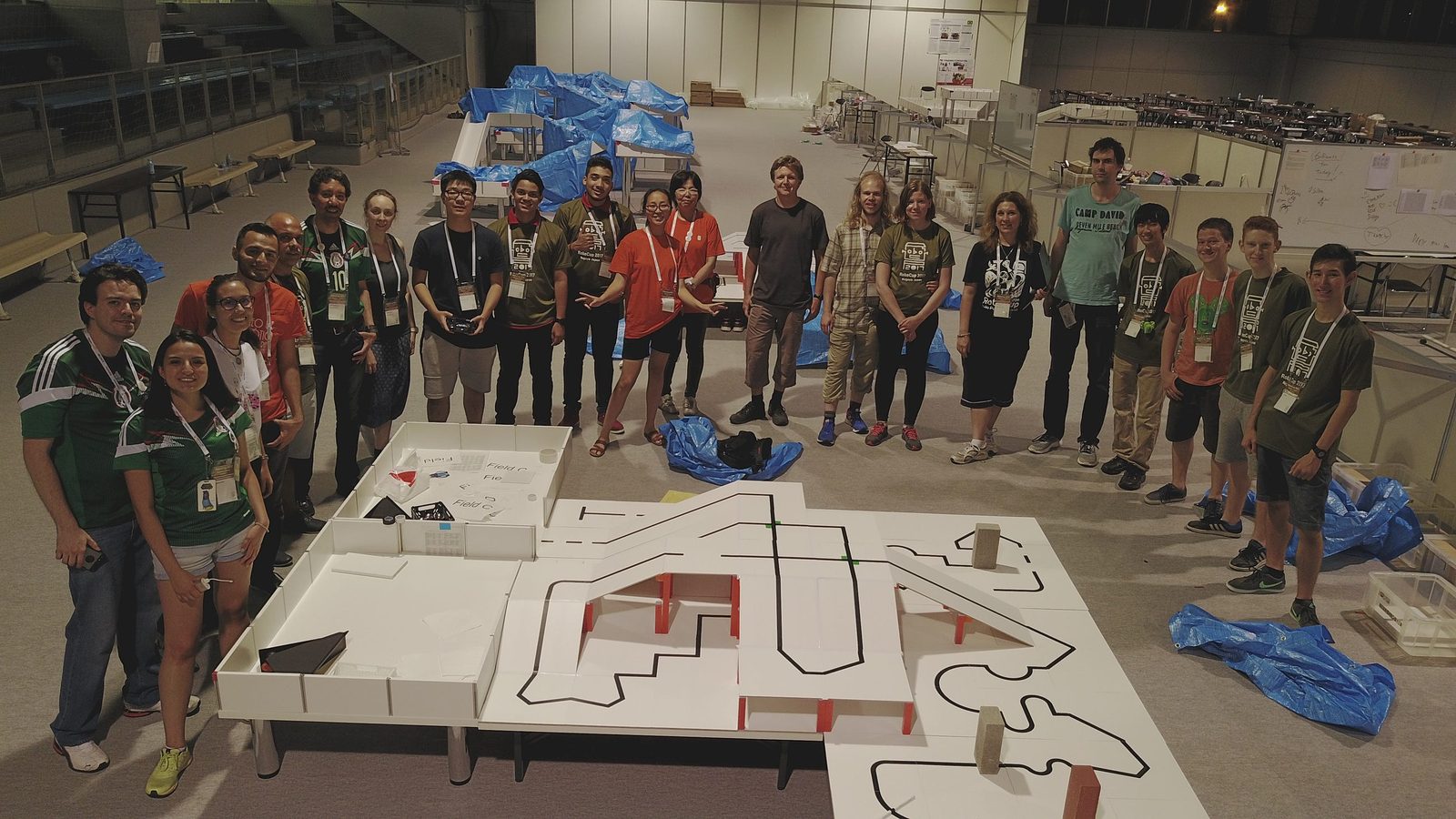
What I learned: Asynchronous collaboration across continents without direct authority isn’t a constraint — it’s how modern teams actually work.
Why it mattered: When I brought that forum-first approach to JPMorgan projects spanning multiple regions, it transformed how we communicated. We stopped having endless Zoom calls and started building shared spaces where people could contribute on their own time. It worked better. People were more thoughtful. Decisions were better.
2018: When Both Worlds Collided (Unexpected Pivot)
The Setup: This doesn’t fit neatly into the timeline, but it’s important.
JPMorgan hired Manuela Veloso as Head of AI Research. If you know robotics, you know who Manuela is — a pioneer in multi-agent systems and a founding trustee of RoboCup.
I didn’t work directly with her. She didn’t know me.
But something incredible happened: JPMorgan started showing up at RoboCup. The Marketing team came. They were excited. They learned about my work with the federation. JPMorgan published an article about my RoboCup involvement on the internal intranet.
For the first time, my “side project” wasn’t hiding in the shadows — it was being celebrated by my employer.
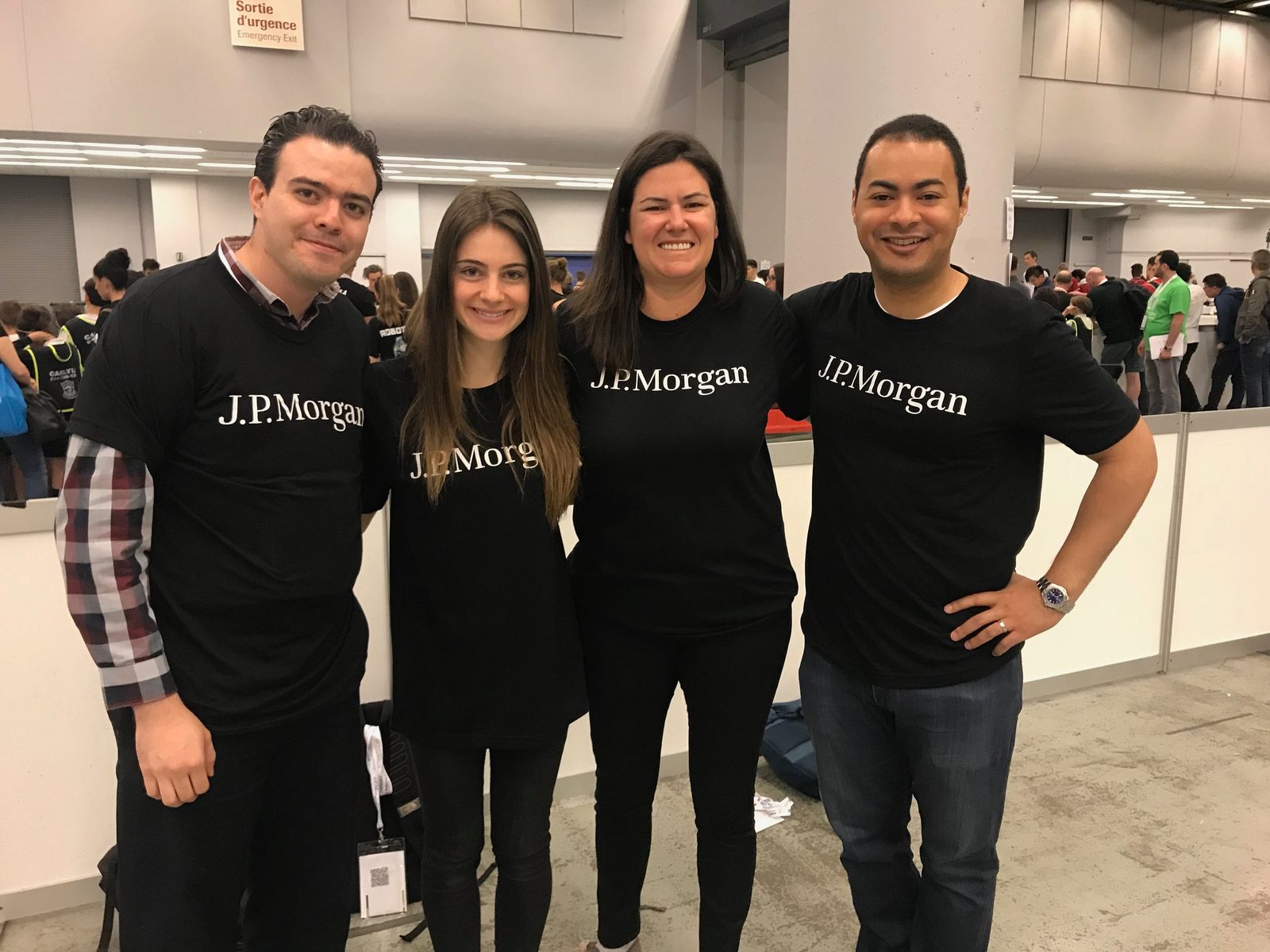
What I learned: Organizations that value external contributions are rare. When you find them, you can stop pretending you’re two different people.
Why it mattered: Everything shifted after this. I wasn’t managing dual careers anymore. I was integrating them. My RoboCup experience became an asset at JPMorgan, not a distraction. My JPMorgan expertise became credible at RoboCup.
2019: The Board Member Who Witnessed Real Generosity (2-month gap)
The Setup: Two months after being promoted to Senior Associate at JPMorgan (and relocating to New York), I joined the Board of Directors of the Mexican Federation of Robotics — the national chapter that runs RoboCup activities in Mexico.
I expected to see competition. What I witnessed was something different.
A team from a low-income school showed up to nationals. During the competition, their motors failed. They were running out of time. The team currently in first place — the one they were directly competing against — shared spare parts. Not after the competition. During it. While competing.
That team didn’t win. But they got to finish. They got to learn. They got to experience the full competition.
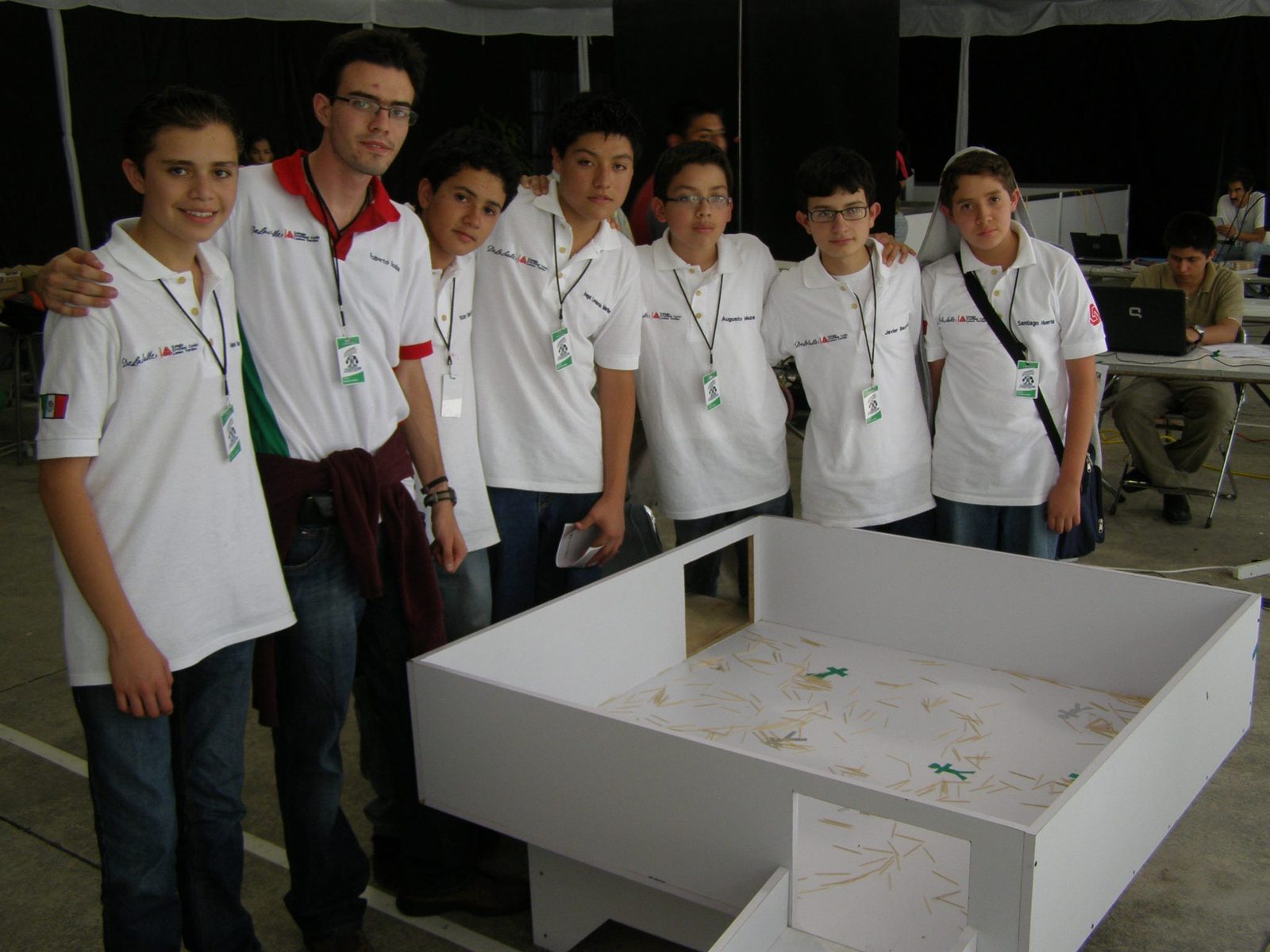
What I learned: This work isn’t about rankings. It’s about creating environments where people help each other succeed.
Why it mattered: That moment changed how I thought about organizational culture. At JPMorgan, I started asking different questions in team meetings: “Are we creating space for people to help each other? Are we optimizing for rankings or for learning?” It shifted conversations. We built more collaborative teams.
2021: The VP Breakthrough (5-month gap)
The Setup: Promoted to Vice President, Lead Software Engineer at JPMorgan in February. Then I relocated to New York.
At the same time, RoboCup was rebuilding after the pandemic shutdown. The General Chair role had ended. The Executive Committee election was coming.
There was a gap between who I was (operational leader coordinating day-to-day) and who RoboCup needed (strategic voice shaping the federation’s future).
We used that time to build. I worked with regional representatives, international volunteers, and former committee members. We strengthened relationships. We aligned on a shared vision. By July, I was elected to the Executive Committee with genuine buy-in from the community.
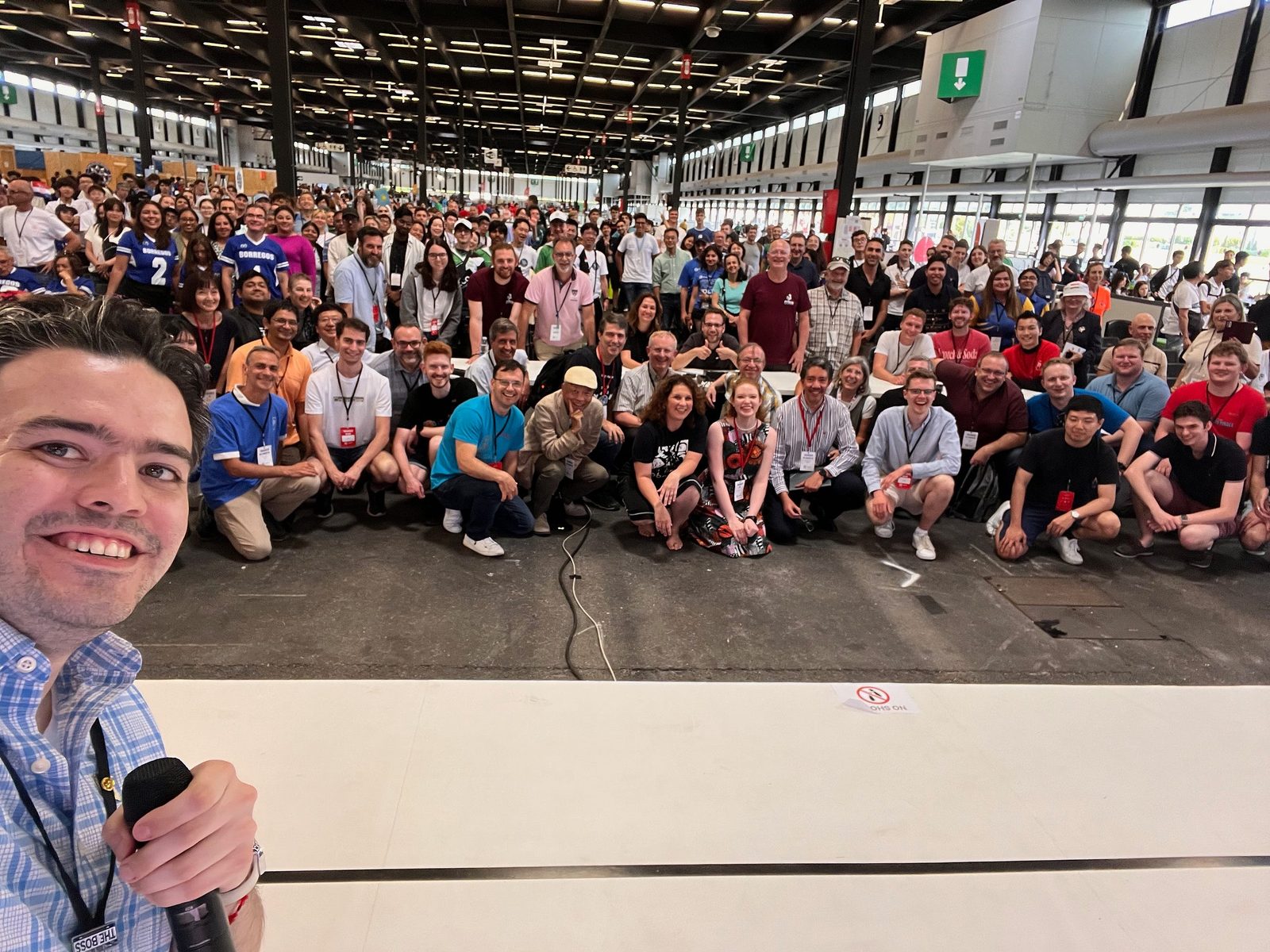
What I learned: The best leadership transitions aren’t about seizing power — they’re about building consensus.
Why it mattered: As a VP at JPMorgan, I was learning the same thing. Moving from execution to strategy meant shifting from “here’s what we’re doing” to “here’s why we’re doing this and who’s coming with us.” The RoboCup rebuild taught me how to bring people along.
2024: The Registration Revolution (5-month gap)
The Setup: Re-elected as Senior Executive Committee Member. Selected for JPMorgan’s Expert Engineer (E2) Cohort in December.
At RoboCup, we identified a massive pain point: on-site team registration took 15 minutes per team. With 500+ teams, that’s chaos.
I worked with Marek and our vendor Cvent to redesign the registration flow with participants in mind. No fancy cloud architecture. No automated testing frameworks. Just close collaboration with the vendor, understanding the problem, streamlining the process.
Result: 3 minutes per team check-in. We also streamlined the entire online registration process using the same software — no extra cost, just rethinking how RoboCup works rather than forcing robotics into a conference-style system.
It’s still one of my proudest accomplishments — not because it’s technically brilliant, but because it solved a real human problem. We removed friction from the entire experience, from registration to on-site check-in.
Also, we started building rules for entry-level teams that could be used in super regionals — creating foundations for new teams to eventually reach the international event. That’s about access. That’s about inclusion.
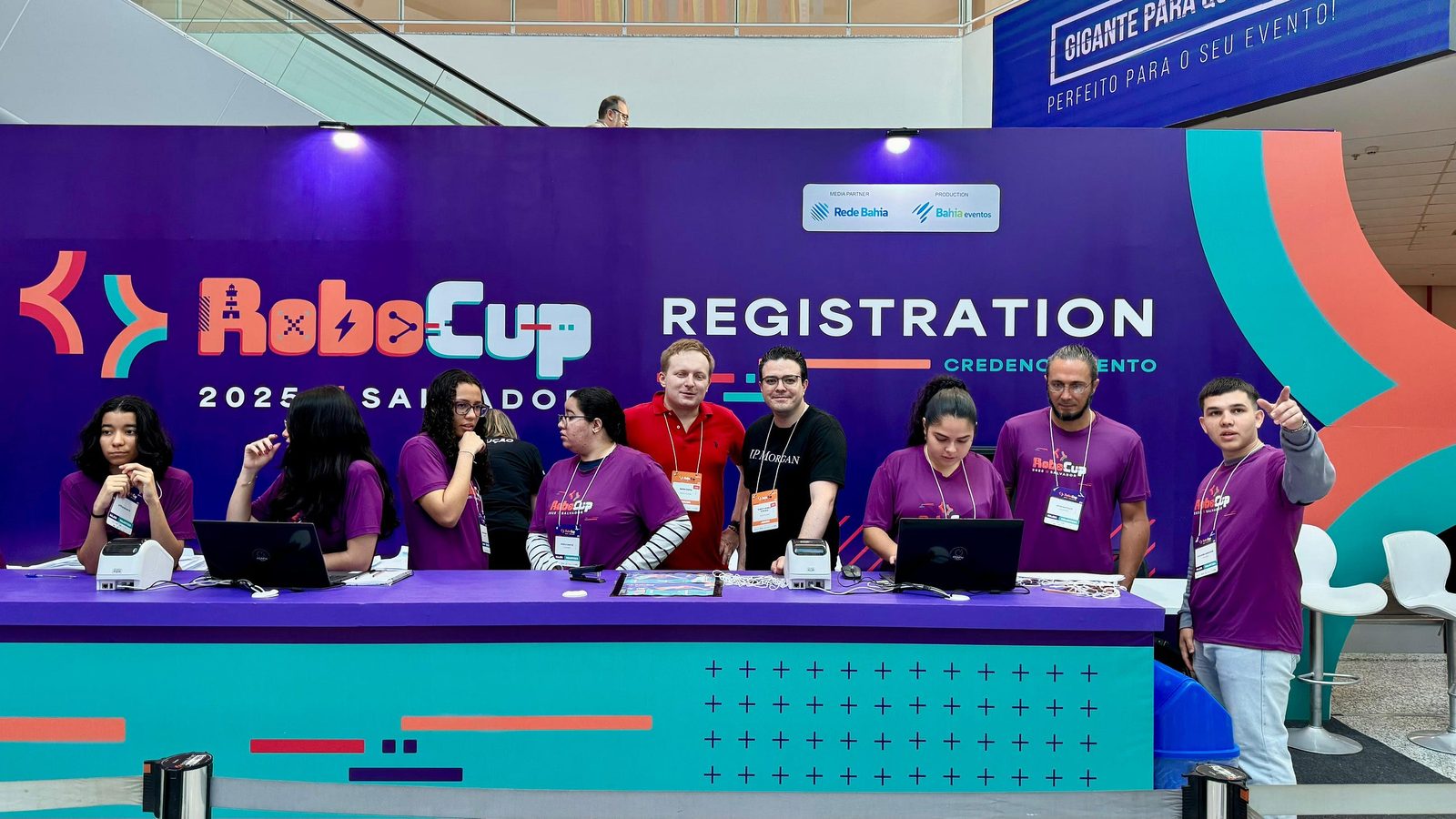
What I learned: Impact isn’t about technology complexity. It’s about understanding what actually matters to people and removing friction.
Why it mattered: When we started the Expert Engineer cohort, we focused on systems thinking — how do you create elegant solutions to complex problems? The registration redesign proved I understood that. Simple doesn’t mean easy. It means deeply understanding the problem first.
2025–2026: Board Leadership (6-month gap)
The Setup: Appointed to RoboCup’s Trustee Board in July. Promoted to Senior Lead Software Engineer at JPMorgan in January.
Both roles require strategic thinking at scale. Both require representing communities and making decisions with incomplete information.
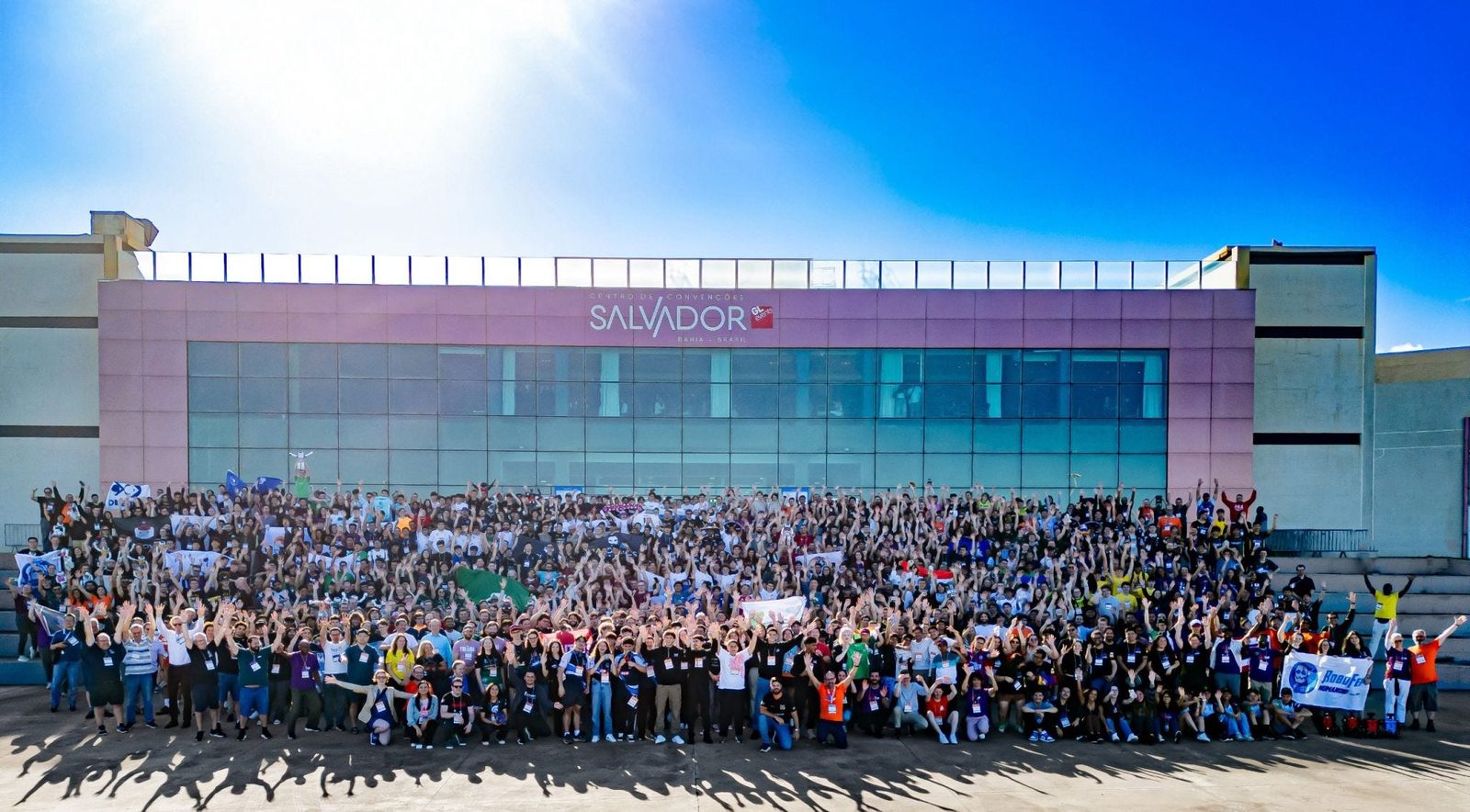
What I learned: At this level, you’re not managing tasks or even people — you’re shaping futures.
Why it mattered: I’m still figuring this one out, honestly. But I know this much: having a role that forces me to think globally (RoboCup) makes me a better strategic thinker at JPMorgan. And having rigorous financial and operational discipline at JPMorgan makes me more thoughtful about RoboCup’s sustainability.
The Pattern I Didn’t Plan
Looking at these moments, there’s a clear correlation: every significant advancement in one world happened within months of advancement in the other.
Why?
Not magic. Not luck. Skill transfer.
When you’re solving problems in completely different contexts, you develop adaptability. When you’re leading people who don’t report to you, you develop influence. When you’re building communities across continents, you develop resilience.
These aren’t skills that transfer horizontally within your industry. They transfer everywhere.
And there’s another thing: energy is contagious. When you’re genuinely excited about something, people notice. You show up differently. You solve problems differently. You inspire differently.
JPMorgan noticed. RoboCup noticed. Both benefited.
The Honest Part: Sacrifice Exists
I need to be clear about something: this isn’t a story about effortlessly juggling two careers.
Once or twice a year, I need to be awake at 4:00 AM for regional representatives meetings with people in Europe and Asia. I’m preparing RoboCup presentations while finishing sprint reviews. I’ve turned down team dinners to make international calls. I’ve skipped weekend family activities for urgent coordination calls across time zones.
It’s exhausting sometimes.
And I would absolutely choose this path again.
Because the question isn’t “can I manage both?” It’s “who am I when I only pursue one?”
When you commit to something beyond your paycheck — something that genuinely matters to you — you become someone different. You become someone who solves problems creatively, leads without authority, builds communities, and thinks long-term.
You become more interesting. More resilient. More valuable.
That version of you shows up at work. Your employer benefits. Your promotions reflect that.
What I Want You to Know
If you’re reading this and thinking “I’d love to volunteer in STEM education, but I can’t — I have too much going on at work,” I get it. The time pressure feels real.
But here’s what I’ve learned: the time pressure is partly an illusion.
You don’t pursue passion in addition to your career — you pursue it as part of your career development. You’re not adding another job. You’re integrating another learning environment.
Every skill you develop volunteering makes you better at your day job. Every problem you solve in community work teaches you something you’ll use professionally.
And the energy you get from doing work that matters? That’s sustainable. More sustainable than optimizing for promotions alone.
The Real Correlation
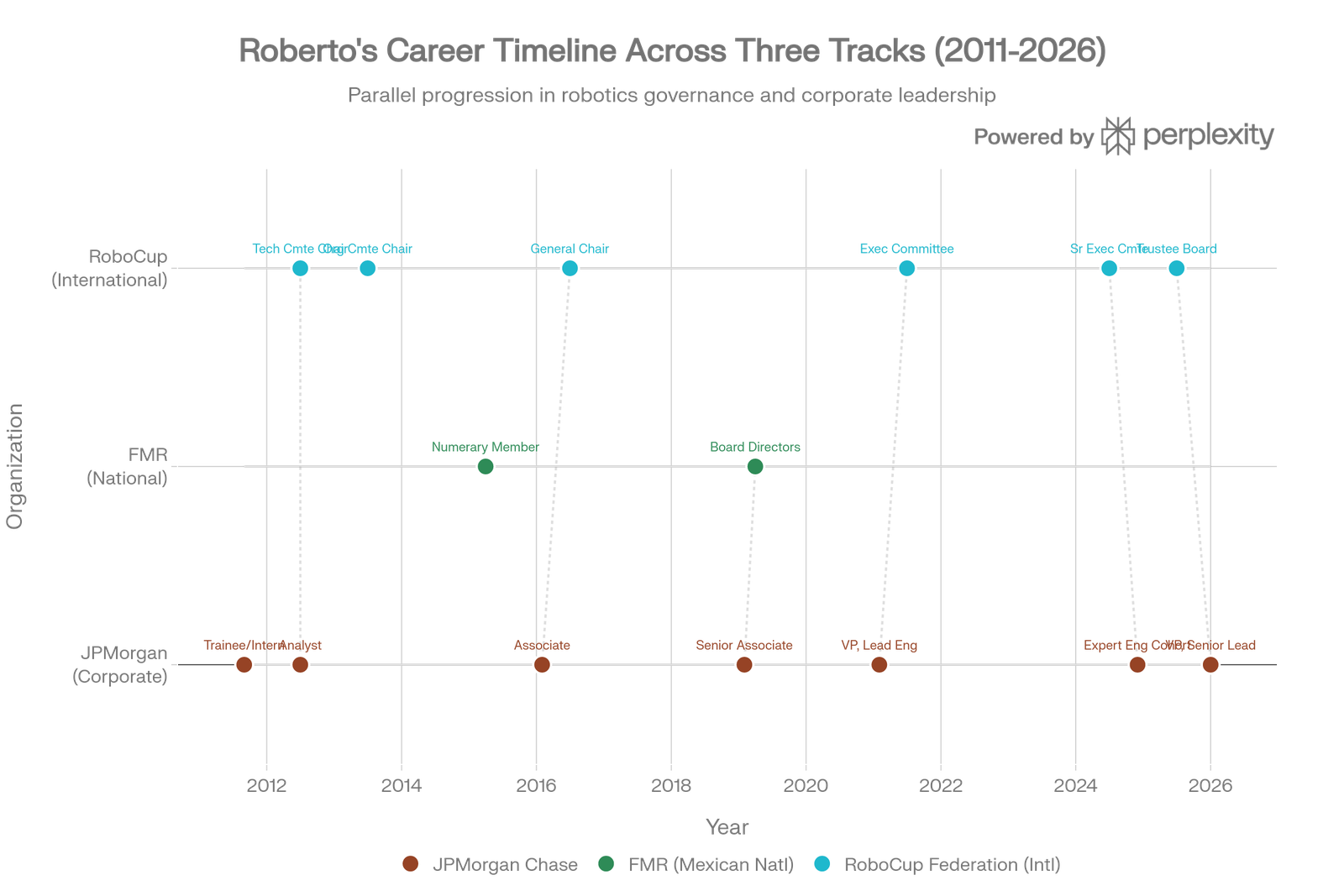
When I look at my timeline — intern to senior lead, volunteer coordinator to board trustee — the correlation isn’t about promotions aligning with promotions.
It’s about becoming someone who matters in two worlds. And how that person is more valuable in both.
If you have something you’re passionate about — whether it’s robotics, STEM education, mentoring, community building, or anything else — don’t wait for perfect career timing.
Start now. Build gradually. Connect your worlds.
Watch what happens.
The correlation isn’t a coincidence. It’s the natural result of being genuinely excellent at something that matters to you. And that excellence doesn’t stay hidden — it shows up everywhere.
Roberto is a Senior Lead Software Engineer at JPMorgan Chase and a Trustee Board Member of the RoboCup Federation. He’s been volunteering in STEM education since 2011, building communities and creating opportunities for thousands of students globally through robotics.
If you’re considering getting involved in STEM education, or if you’re already juggling multiple passions, I’d love to hear your story in the comments. What’s one thing you’d pursue if time wasn’t a constraint?