The Sentence I Keep Writing
Every week for the last couple of months I’ve written some version of the same sentence: let the tools do more, keep the responsibility human. It reads like a response to this AI moment — the agents, the hype, the anxiety about who’s still needed.
It isn’t. I’ve been saying that sentence out loud, to students, in classrooms, in three countries, for the better part of fifteen years. The tools changed. The sentence didn’t.
I want to tell you where it comes from, because I think it matters that “keep it human” isn’t a slogan I picked up when it got fashionable. It’s a thing I taught teenagers before most people were worried about it.
2017: An Ethics Clause in a Robotics Syllabus
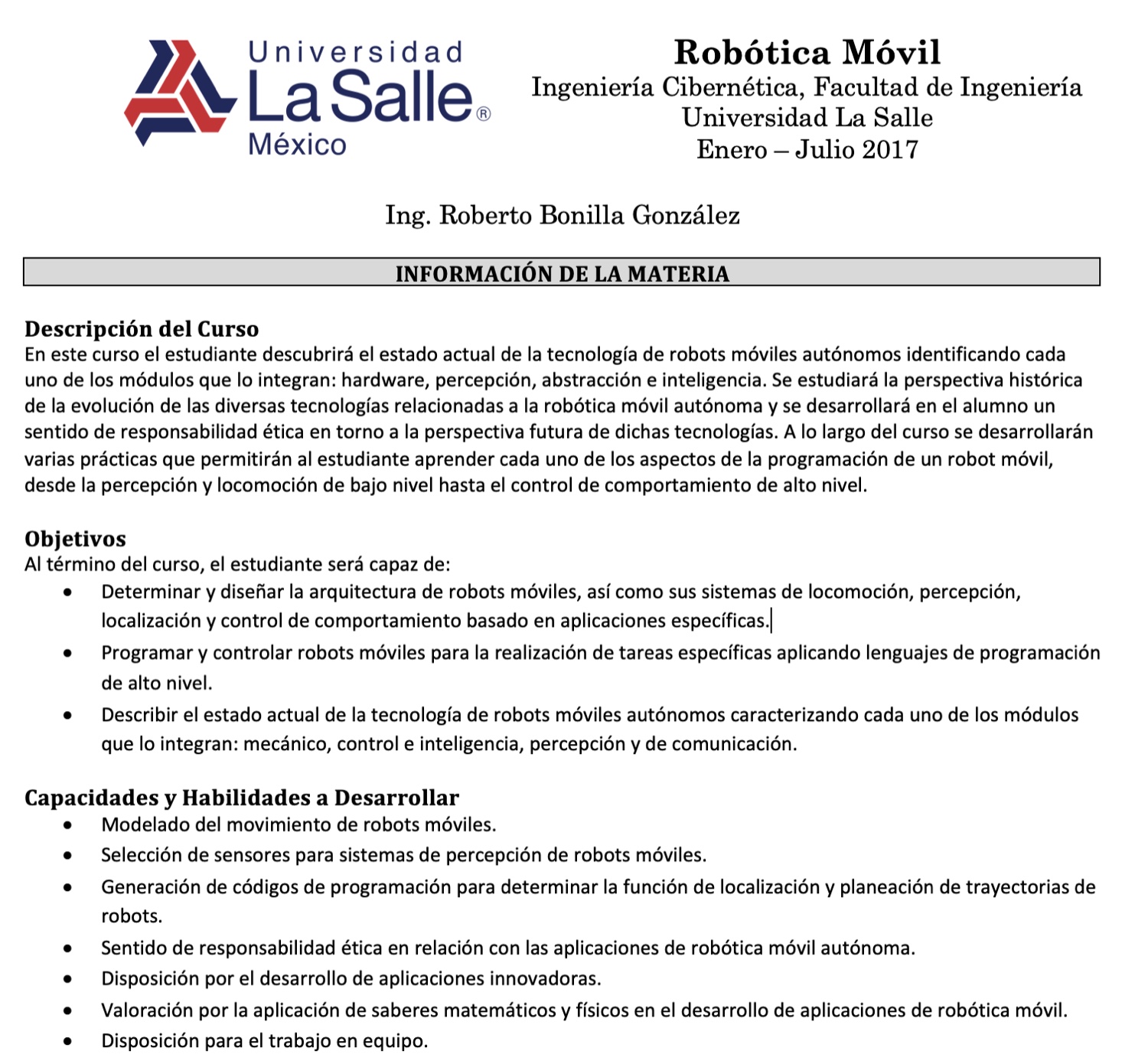
In 2017 I taught a university course in Mobile Robotics — autonomous machines that perceive their surroundings, decide what to do, and act, with no one holding the controls. Cybernetics engineering students, a serious MIT textbook, a semester of getting robots to localize and navigate on their own.
When I wrote the syllabus, I put something in the objectives that had nothing to do with kinematics. The students, it said, should leave the course with “a sense of ethical responsibility around the future of these technologies.”
That was 2017. Nobody was writing think-pieces about autonomous-systems ethics for a general audience. But you cannot stand in front of a room of twenty-year-olds, teach them to build a machine that decides things on its own, and stay vague about who is answerable for what it decides. The whole course was, quietly, about the same thing I write about now: the machine acts, and a human is still responsible for it.
2009: Where It Actually Started

The truth is it started earlier, and lower-stakes, and more fun. In 2009 I was teaching physics and robotics at a school — middle and high schoolers, LEGO Mindstorms kits, RobotC on the classroom computers.
We built line-followers and a little infrared-seeking “soccer” robot and a robot that had to solve a maze — the exact tasks I would spend the next decade and a half governing at RoboCupJunior, though I didn’t know that yet. And what I was really teaching, underneath the gears and the sensors, was this: a robot’s behavior is a human’s decision, written down. The kids didn’t just build the machine. They owned what it did on the field — the clever move and the embarrassing one.
I put a line in the physics syllabus, aimed squarely at fifteen-year-olds who thought the future was someone else’s job: “You are not the future of this country — you are the present. The progress we need depends on your preparation and effort. Don’t dodge your responsibility. Face the challenge.”
I wrote that for kids. I stand behind every word of it now, for engineers.
2022: The Same Lesson, Now About Data
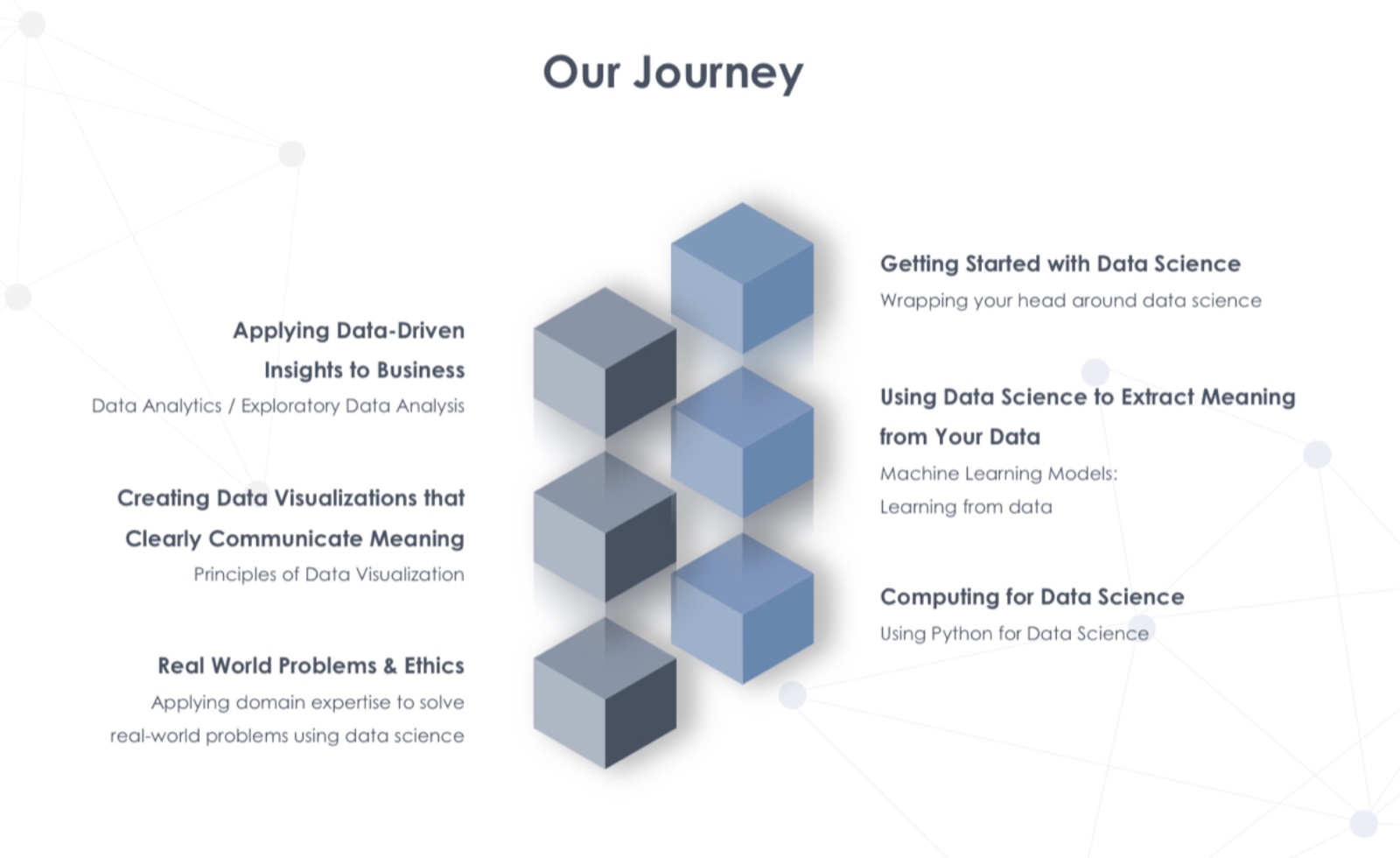
Fast forward. In 2022 I taught a different course — a data-science one, “Data Analytics + AI & ML: Hybrid State,” in a program we called Mind the Tech. Around twenty engineers, spread across seven countries in Latin America and Canada, over a few months.
On paper it was a course about turning data into insight — the disciplined machinery, the models, the visualizations. But the part I cared about, the part I kept dragging the class back to, wasn’t the modeling. It was the caution.
Data is not truth. I taught the old hierarchy that climbs from data to information to knowledge to wisdom — and I made a point of where the human sits: at the top, on the rung a machine can’t reach. We spent real time on bias — the sampling kind, the prejudicial kind, the algorithmic kind, the kind that creeps in when you quietly leave data out. I assigned a documentary on machine bias and its effect on real people’s lives. The line I kept repeating was borrowed, and true: with great data comes great responsibility.
Different decade, different technology — robots then, data now — and the exact same conviction underneath. The tool is powerful; the judgment is human; and someone has to be answerable for what the tool does to a real person.
The Same Line, Matured
So when I write, now, that the AI drafts and a human merges — that the machine writes the email and a person sends it — that the point of all this is to keep a human accountable for what reaches somebody’s account or somebody’s kid at a registration desk — understand that I did not arrive at that in 2025.
I arrived at it in a classroom, handing a student a machine that could decide, and telling them they were still on the hook for what it did.
Teaching does something that writing alone can’t. It forces you to say the thing out loud, to a room of people who are about to build these systems, and to defend it when a sharp seventeen-year-old pushes back. That’s where a conviction stops being a nice idea and becomes something you’ll hold under pressure. Every “keep it human” I write now was rehearsed, years ago, in front of kids and undergraduates and engineers who were going to inherit exactly this problem.
The technology finally caught up to why it matters. The lesson was always the same.
That’s the quiet reward of teaching, and the reason I keep writing this down now: the one part worth keeping — the human stays responsible for what the machine does — walks out of the room with every student and keeps going without me. The tools they’ll build will be new every year. That lesson doesn’t have to be.
I didn’t start keeping humans in the loop when AI made it urgent. I started the first time I handed a student a machine that could decide — and told them they were still responsible for what it did.